
Asztalfoglalás
Rendezvényszervezés
| Szerző: Salon Restaurant

Iconic dishes - noodles

Noodles are a staple food, and not surprisingly, as they can be prepared very quickly and easily, are available in a wide variety, and are easy to come by. However, this staple food was introduced to Hungary in large quantities about 150 years ago, which, of course, does not mean that the history of noodles goes back only this far.


Even though we associate boiled noodles with Italy, they can be traced back much further to the east: to Asia, China. The oldest noodles are about 4 thousand years old, and are from the Lajia site near the Yellow River. The original type of noodles, ping, was 50 cm long and was made from millet. Wheat flour was only used to prepare noodles when, in the 3rd century BCE, the Roman Empire established trade relations with the Han Empire. At that time, Roman millstones and milling techniques were taken to China on the Silk Road. Finally, wheat prevailed over millet and also took the imperial court by storm. Ping became the food of the elites.

Hungarian noodles

In Hungarian cuisine, boiled noodles became widespread in the early modern period, before that, in the Middle Ages, people ate fermented bread. The first noodles to be produced on an industrial scale were made in the middle of the 19th century, in 1859, in the first steam noodle factory established by József Topits in Budapest. Noodles have since become a part of our lives, there are shelves full of noodles in stores and of course they are on the menus of restaurants. Naturally, high quality restaurants make their noodles themselves, as “home-made” noodles can be much more delicious and nutritious and can be of better quality than mass-produced versions.

One really typical Hungarian noodle dish is curd cheese noodles, which is made from boiled noodles, cow’s curd cheese or ewe’s curd cheese, finely diced fried bacon and sour cream. Dill or powdered sugar is added to taste. Curd cheese noodles may be served as a main course, as a dessert at the end of the meal, or as a side dish.

Asztalfoglalás a Salon Étterembe

Salon Étterem Étlap

Salon Étterem Galéria


LEGFRISSEBB HÍREK


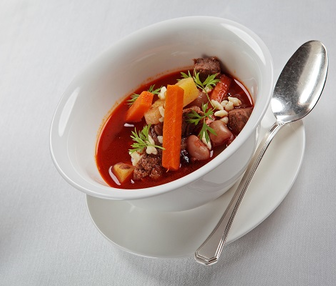
Levesek - Salon Étterem

Egészséges életmódunk elengedhetetlen része a leves. Laktató, gazdag, és ha beleássuk magunkat a leves receptek sokaságába, minden napra találhatunk kedvünkre valót. Sokban segíthet megtartani a vonalainkat, ha tisztában vagyunk azzal, mivel tudjuk kalóriaszegényebbé, ám nem kevésbé finommá és laktatóvá varázsolni az egyik legváltozatosabb fogásunkat.

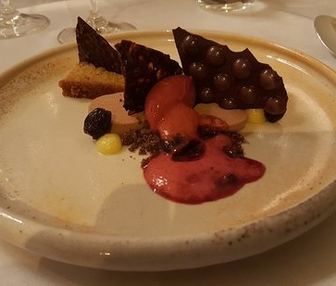
Étterem Budapest - libamáj

A libamáj igen hosszú múltra tekint vissza, és az évezredek alatt sem veszített népszerűségéből. Igazi luxusfogásnak minősül - na nem csak a különleges íze és állaga, hanem a benne rejlő rendkívül jó hatású összetevők miatt is. Magyarországon hungarikum, de természetesen a világ más tájain is előszeretettel fogyasztják.

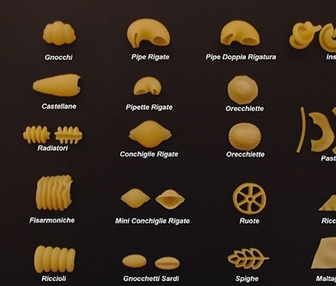
Tészta ételek a Salon Restaurant étlapján

Bár szokás a tésztákat az olaszokhoz kötni, ez a ma már világszerte népszerű étel mégsem olasz vívmány. Kínából származik, bár tény, hogy az olaszoknak is volt közük ahhoz, hogy Kínában megjelent a búza. Addig ugyanis a kínaiak kölesből és egyéb terményből, például rizsből készítették a saját tésztájukat, a pinget. Miután megismerték a római őrlési technikát, a malomkövet, egyre többfelé használták fel a búzát a tésztákhoz. De hogy a bolognai spagetti sem olasz találmány? Ennek is megvan a története.   


További hírek >
Salon Restaurant TripAdvisor