Variety is the key to Italian success
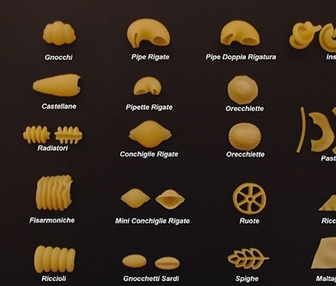
Italians, who did not invent pasta after all, but embraced it, now produce many types of it. Ravioli, cappelletti and tortellini, for instance, are stuffed pasta, where the stuffing can be almost anything from meat to vegetable spreads and cheese. Farfalle, mafaldine, penne, conchiglie, vermicelli, elbow macaroni, taglierini, macaroni, lasagne, spaghetti – there is an astonishing variety of shapes and sizes, and the number of potential preparation methods is enormous.
The legend of Spaghetti Bolognese
The word spaghetti comes from “spago”, the Italian word for string, so spaghetti broadly means “thin string” or “little string”. Spaghetti is produced in 12 sizes, and you can choose according to the meal you wish to prepare. Spaghetti is a long pasta that first appeared in Sicily around the 10th century, and it was probably spread by Moor conquerors.
Spaghetti Bolognese is the best-know dish in the Western world. There is only one problem with that. Spaghetti Bolognese is not a traditional Italian dish. Before it conquered the world, spaghetti was first made in Sicily. As Palermo, the home of spaghetti, and Bologna, where the sauce was made, are 800 km apart, the two could not be mixed in one place. In Bologna, the sauce has always been served with lasagne or a type of egg pasta, tagliatelle. In South Italy, spaghetti was served with much thicker and heartier sauces, as, because of their consistency, they sticked to the slippery and thin spaghetti better.
But how did the two meet?
During the second world war, in the Italian campaign, American soldiers grew to like tagliatelle with Bolognese sauce very much. Returning home after the war, more and more veterans ordered pasta dishes with Bolognese sauce in Italian restaurants. As second and third generation Italian-American restaurant owners did not keep that strictly to Italian culinary traditions, they often served Bolognese sauce with spaghetti. This means that Spaghetti Bolognese was not created in Italy, but in the US.